Homework Procrastination Child Guide: Why Kids Delay and How to Help
The backpack is on the floor. The assignment sheet is somewhere inside it. Your child has been "about to start" for forty minutes, and you have already asked three times in a voice you did not plan on using. If you are searching for a homework procrastination child solution, you are probably dealing with this exact kind of evening: repeated delay, rising frustration, and the same question at the end of it — why won't they just do it?
The answer is often more complicated than laziness. A useful approach starts by treating procrastination as a possible signal rather than a character flaw. Understanding what your child may be avoiding can make practical changes more useful than another round of reminders.
Homework Procrastination Child Patterns: What It Usually Looks Like
Homework procrastination does not always look like a kid lounging on the couch. It can look like a lot of busy activity that never touches the assignment. Your child sharpens pencils, reorganizes the desk, asks for a snack, checks on the dog, or suddenly remembers a conversation from lunch. They may open the laptop and then spend twenty minutes on something unrelated.
Other children stall in a quieter way. They sit with the paper in front of them and simply do not write anything. They say the work is boring, too hard, or too long. Some wait until the very last possible moment and then panic. If you notice a pattern in how your child avoids homework, that pattern is useful information rather than a character flaw.
The Real Reasons a Child Puts Off Homework
For some children, putting off homework can be a way of avoiding uncomfortable feelings such as uncertainty, frustration, or fear of getting the work wrong. That is one useful lens for understanding what you may see at the kitchen table. Avoidance can temporarily reduce discomfort, even when it creates a bigger problem later. Here are several reasons that can contribute.
Avoidance, Not a Motivation Problem
Parents often assume a child who procrastinates needs more motivation, more incentives, or a firmer push. When a child keeps delaying homework, that response can sometimes lead to more nagging and more resistance. In some cases, procrastination is less about motivation and more about steering away from something that feels uncomfortable. When that is the case, a sticker chart may not address the feeling underneath.
Fear of Failure and High Expectations
For some families, repeated homework delay is tied to fear of failure or high expectations. If your child thinks the work has to be perfect, starting means risking proof that it is not. Waiting keeps that possibility open a little longer. These children may benefit from hearing that effort matters more than a flawless finished product, and they may need to hear it more than once.
Not Knowing How to Begin
A child may also put off homework because they do not know how to begin. Kids who struggle with organization and planning may not know what needs to be done to finish a task. To you, "do your homework" is one instruction. To a tween, it is a pile of decisions about what to open, what to read, what order to work in, and when it ends. The task is not just big. It is unclear.
Past Negative Experiences With Schoolwork
Children with learning or mental health challenges often procrastinate because of past negative experiences with schoolwork. When homework has repeatedly felt confusing, embarrassing, or discouraging, avoidance becomes a reasonable strategy from your child's point of view. They are protecting themselves from a feeling they already know too well.
Doing Just Enough to Get By
Not every case is about anxiety. A child may procrastinate because they are content to scrape by, and putting in minimal effort makes perfect sense to them. For this child, the assignment is simply not worth the extra time. Clear expectations and a defined finish line usually do more here than emotional reassurance.

Why Labels Backfire When Kids Put Off Homework
It is easy, in the middle of a frustrating evening, to call your child lazy or a procrastinator. Try not to label your child or make blanket statements about them. Labels like these can shape how a child talks about themselves over time. Describing the behaviour instead of turning it into an identity keeps the focus on something that can change.
Describe behaviour instead of character. "You have not started yet and it is 8:00" is a fact your child can act on. "You are so lazy" is an identity, and identities are much harder to change. The same rule applies to how you talk about your child to other people while they are in earshot.
Practical Ways to Help a Child Who Keeps Delaying Homework
None of these ideas requires a new personality from your child or unlimited patience from you. They are small structural changes that lower the cost of beginning.
Set a Clear, Predictable Start Time
When a child keeps putting off homework, clear expectations can reduce one source of negotiation. Name a specific time when homework begins. A phrase like "homework starts at 4" is far easier to act on than "do your homework at some point." The time should be realistic, and it should not move every night based on your child's mood. Predictability removes one negotiation from the evening.
Break the Task Into Smaller Steps
Breaking tasks into smaller steps is one of the most practical ways to reduce homework delay. Write those steps down. Instead of "finish the science questions," the list might read: open the notebook, read question one, answer question one. When a child can see the finish line, starting feels less like stepping into fog.
Use a Visual Timer
A visual timer can also help when time feels abstract. Help kids see the passage of time with a visual timer or countdown clock. These analog clocks use a coloured disc that shrinks as time passes, so the remaining minutes are visible instead of abstract. A short first block, such as ten minutes, can make the starting point feel more concrete.
Notice Effort Out Loud
Boost your child's confidence by pointing out their efforts rather than only the result. "You got started even though you did not want to" is worth saying out loud. Over time, that kind of comment gives your child evidence that they are capable of beginning, which is the exact skill they need to practise.
Look for Patterns Before You Change the Routine
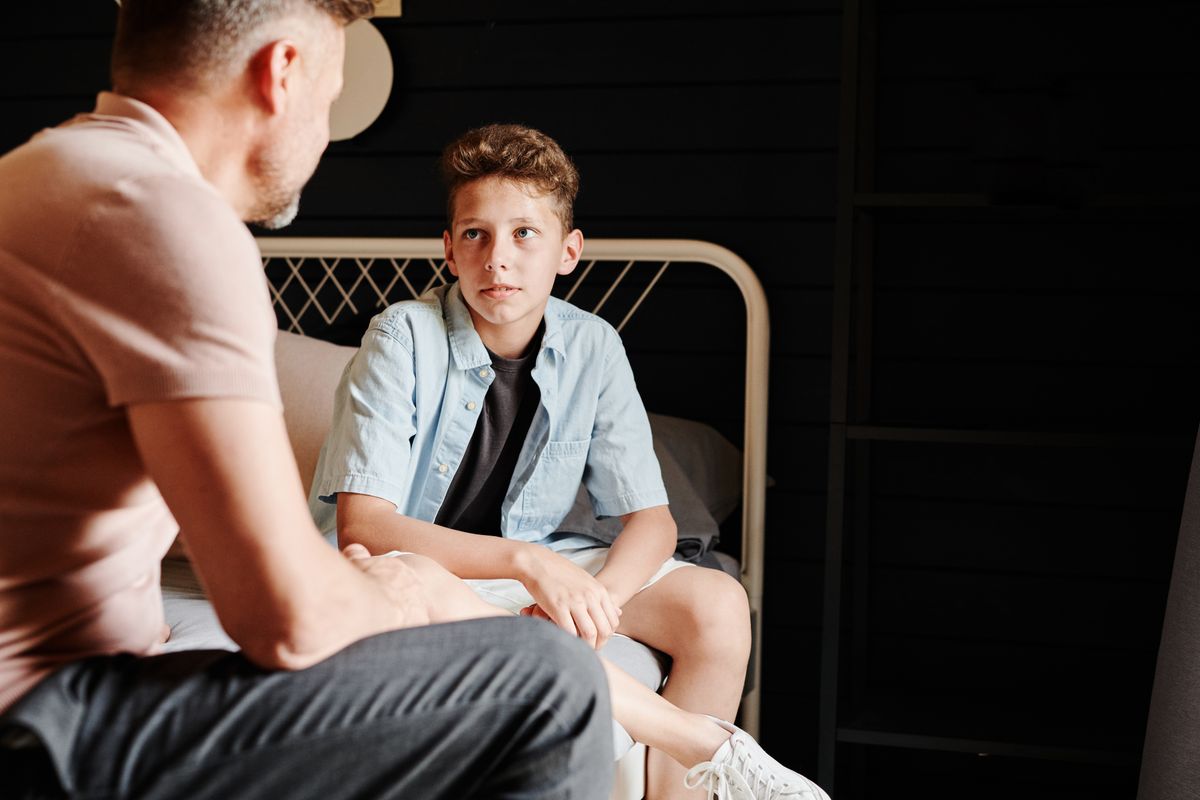
Before rewriting the whole evening, track your child's homework procrastination for a week or so. Does it happen with every subject or only one? Does it show up more when the assignment is open-ended? Is the stall worse after a long day, or on nights with an activity after school? Patterns can point toward which fix is worth trying first.
It also helps to give the process a name your child can use. A simple, repeatable routine such as starting within ten minutes of sitting down is easier to follow than a general instruction to stop procrastinating. The free KidsFocusLab 10-Minute Homework Starter Kit puts that routine into a printable format you can keep where your child can see it.
Get the Free 10-Minute Homework Starter Kit
For more practical guidance, visit the Homework Hub, browse Homework Resources, or learn more About KidsFocusLab.
When Procrastination May Need More Support
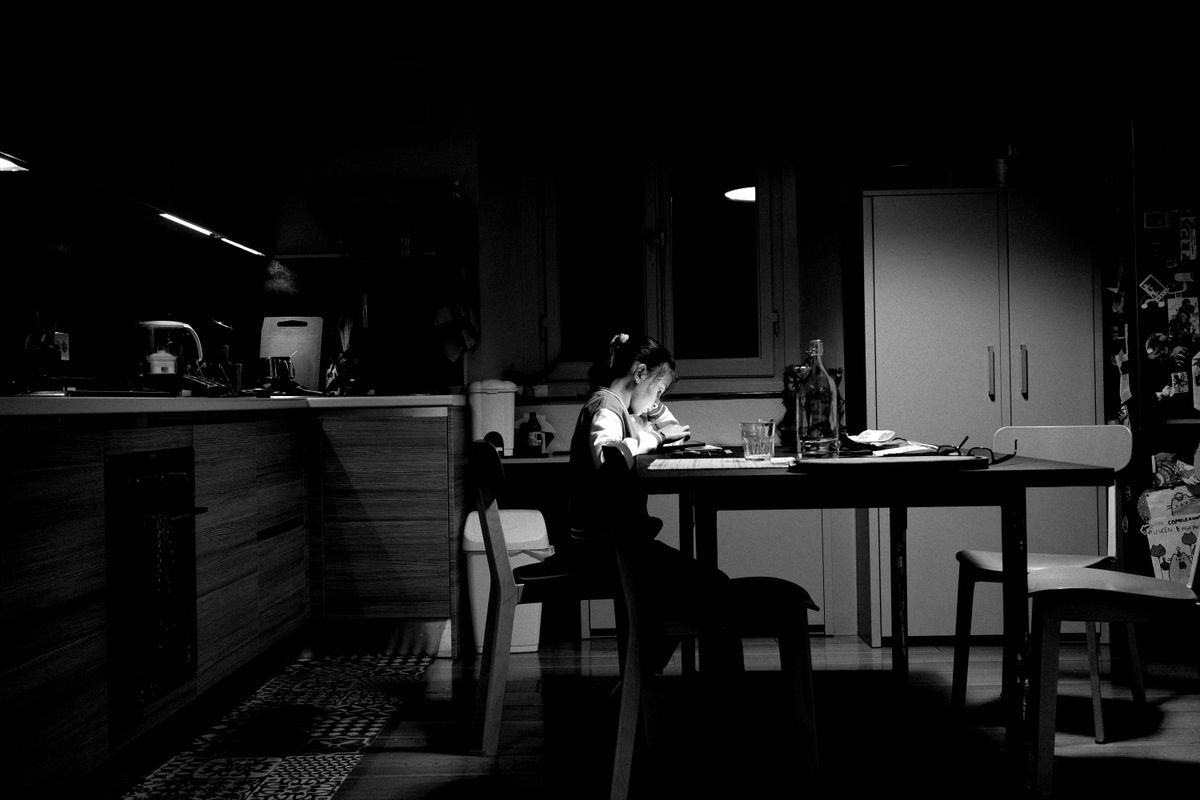
Sometimes persistent homework avoidance may be a sign that something bigger is going on, whether that is a learning difference, an anxiety issue, or another concern. If the avoidance is persistent, if your child seems distressed rather than merely reluctant, or if the pattern holds across school and home, talk to your child's teacher or a qualified health professional. They can help you work out whether an assessment or additional support is appropriate. Only a qualified professional can evaluate those questions.
Frequently Asked Questions
Is my child lazy, or is this procrastination?
Procrastination is usually a way of avoiding an unpleasant feeling rather than a sign of laziness. Children delay when work feels overwhelming, unclear, or frightening. If your child happily puts effort into other activities, laziness is probably the wrong explanation. Look at what the homework itself is triggering, then adjust the task size, the start time, or the support around it.
Should I offer rewards for starting homework?
Rewards can help, but they work best when the real obstacle is unclear expectations rather than anxiety. A reward does nothing for a child who is avoiding fear of failure, because the fear is stronger than the prize. Start by shrinking the task and naming a fixed start time. If motivation is genuinely the issue, a small reward for starting, not finishing, can help.
How long should homework take before I step in?
Watch for the difference between productive struggle and a full stall. If your child is still working, even slowly, let them continue. If nothing has happened for a stretch of time and frustration is climbing, step in to break the task into a smaller first step. Ten minutes of genuine starting often breaks the logjam on its own.
What if my child procrastinates every single night?
A nightly pattern of putting off homework usually points to something consistent, such as an unclear routine, a subject that feels too hard, or a child who is simply worn out by the time homework begins. Track what you notice for a week, then make one change at a time. If the pattern continues despite those changes, bring it up with your child's teacher.
Can a visual timer really help with homework procrastination?
For some children, a visual timer can make the start of a homework block feel more concrete and manageable. Time can feel abstract, especially when a child loses track of it. A visual timer or countdown clock with a coloured disc makes the remaining time easier to see. Start with a short block and let your child see the finish line approaching.
Homework procrastination is frustrating, but it can also give you useful information. When you stop treating it as a character problem and start treating it as a signal, the goal shifts from forcing compliance to helping your child practise how to begin, even on the nights they would rather not.